> ## Documentation Index
> Fetch the complete documentation index at: https://dragonwingdocs.qualcomm.com/llms.txt
> Use this file to discover all available pages before exploring further.
# Set up the device
> After flashing Ubuntu, connect the serial console, verify the version, and bring up network, SSH, and display on the IQ-8275 EVK.
After you have [flashed Ubuntu](./update-software/overview), use this page to bring the device up: connect the debug serial console, verify the software version, get on the network, and connect over SSH and display.
If you have **not** flashed the device yet, start with [**Update software**](./update-software/overview).
## Power on the device
* The Dragonwing IQ-8275 board receives its main power through a 2.10 mm barrel jack connector (JPWR, JACK-C-PC-10A-RA(R)), which supports an input voltage range of **12 V to 36 V**. The EVK also includes a Type-C to barrel plug adapter for convenience. Connect a +12 V power adapter to supply power to the board.
* Connect the USB Type-C end of the cable to **USB0** and the other end (Type-A or Type-C) to the **host device**. This connection allows you to flash the software.
## Set up the debug UART
The debug UART displays diagnostic messages and provides access to the device through the UART shell. To set up the debug UART, do the following:
1. Connect one end of a micro-USB cable to the micro-USB port on the Dragonwing IQ-8275 device.
2. Connect the other end of the micro-USB cable to the host computer.
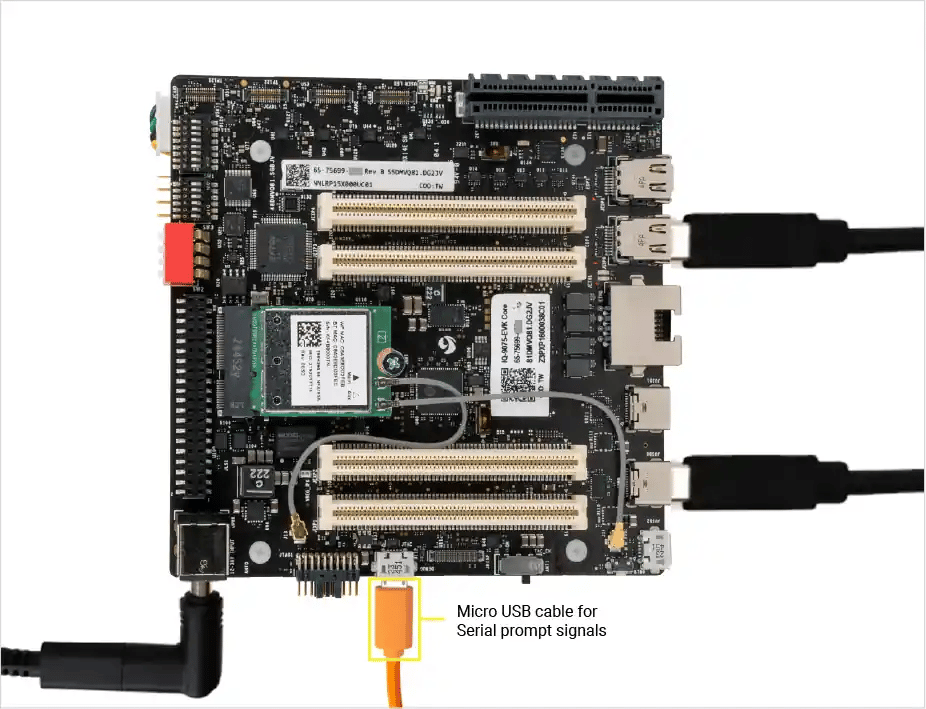 3. Open the serial console for your host OS:
Install the Screen application on the Ubuntu host by running the following commands:
```shell theme={null}
sudo apt update
sudo apt install screen
```
Verify the USB port connection by running the following command:
```shell theme={null}
ls /dev/ttyUSB*
```
**Sample Output:**
```shell theme={null}
/dev/ttyUSB0 /dev/ttyUSB1 /dev/ttyUSB2 /dev/ttyUSB3
```
The IQ-8275 EVK's onboard adapter exposes four serial devices; the **main console is the second one** (`/dev/ttyUSB1`). Open it at 115200 baud:
```shell theme={null}
sudo screen /dev/ttyUSB1 115200
```
1. Download [**PuTTY**](https://putty.software/) and complete the installation.
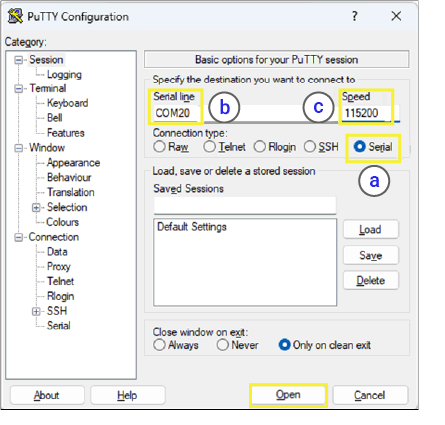
2. Open PuTTY and select **Serial**.
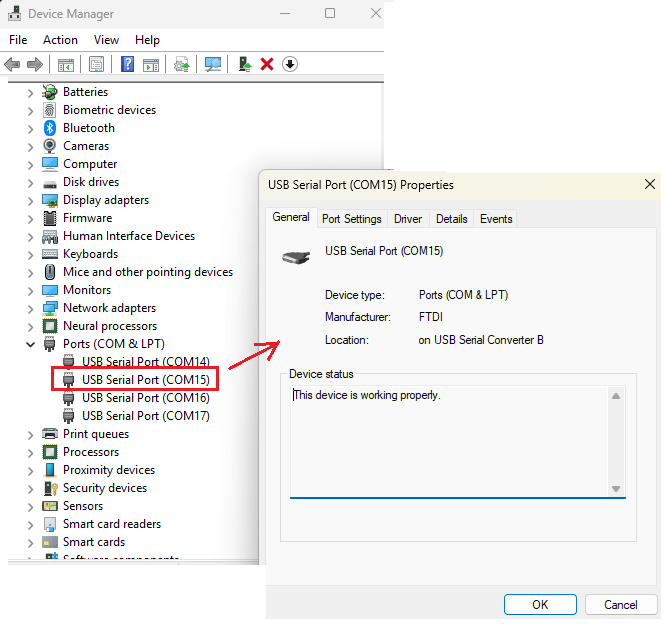
3. Set the **Serial line** to the COM port detected in **Device Manager**, and the speed to **115200**.
The device runs two console domains: **SAIL** (the always-on safety and boot island) and the **Main Domain** (the application processor running Linux, where you log in). The Main Domain console is the one you want.
The FTDI adapter exposes multiple COM ports. Converter B (the **second** functional port) carries the Main Domain console. Right-click each COM port → **Properties** → check the **Location** field to identify it.
Converter A (ADBUS0:7) is assigned to SAIL Debug UART. Converter B (BDBUS0:7) carries the Main Domain UART.
Before the driver is installed, the adapter usually appears under **Other devices** in Device Manager (the exact name varies, for example a Qualcomm-named or unknown device), not under **Ports (COM & LPT)**. Right-click the device there to install the driver.
If the UART port isn't detected, install the FTDI driver:
* x86: [USB-to-UART serial driver](https://ftdichip.com/wp-content/uploads/2023/09/CDM-v2.12.36.4-WHQL-Certified.zip)
* Arm: [FTDI VCP drivers](https://oemdrivers.com/usb-ft232r-usb-uart-arm64)
3. Open the serial console for your host OS:
Install the Screen application on the Ubuntu host by running the following commands:
```shell theme={null}
sudo apt update
sudo apt install screen
```
Verify the USB port connection by running the following command:
```shell theme={null}
ls /dev/ttyUSB*
```
**Sample Output:**
```shell theme={null}
/dev/ttyUSB0 /dev/ttyUSB1 /dev/ttyUSB2 /dev/ttyUSB3
```
The IQ-8275 EVK's onboard adapter exposes four serial devices; the **main console is the second one** (`/dev/ttyUSB1`). Open it at 115200 baud:
```shell theme={null}
sudo screen /dev/ttyUSB1 115200
```
1. Download [**PuTTY**](https://putty.software/) and complete the installation.
2. Open PuTTY and select **Serial**.
3. Set the **Serial line** to the COM port detected in **Device Manager**, and the speed to **115200**.
The device runs two console domains: **SAIL** (the always-on safety and boot island) and the **Main Domain** (the application processor running Linux, where you log in). The Main Domain console is the one you want.
The FTDI adapter exposes multiple COM ports. Converter B (the **second** functional port) carries the Main Domain console. Right-click each COM port → **Properties** → check the **Location** field to identify it.
Converter A (ADBUS0:7) is assigned to SAIL Debug UART. Converter B (BDBUS0:7) carries the Main Domain UART.
Before the driver is installed, the adapter usually appears under **Other devices** in Device Manager (the exact name varies, for example a Qualcomm-named or unknown device), not under **Ports (COM & LPT)**. Right-click the device there to install the driver.
If the UART port isn't detected, install the FTDI driver:
* x86: [USB-to-UART serial driver](https://ftdichip.com/wp-content/uploads/2023/09/CDM-v2.12.36.4-WHQL-Certified.zip)
* Arm: [FTDI VCP drivers](https://oemdrivers.com/usb-ft232r-usb-uart-arm64)
 List the serial devices:
```shell theme={null}
ls /dev/cu.*
```
List the serial devices:
```shell theme={null}
ls /dev/cu.*
```
 Find your device node (for example, `/dev/cu.usbserial-DM03SDQQ`) and open it at 115200 baud:
```shell theme={null}
screen /dev/cu.usbserial-DM03SDQQ 115200
```
4. Press **Enter** to bring up the login prompt, then sign in:
* **Username:** `ubuntu`
* **Password:** `ubuntu`
You will be prompted to set a new password on first login.
## Verify the software version
Confirm the device is running Ubuntu:
```shell theme={null}
cat /etc/os-release
```
**Expected output:**
```text theme={null}
PRETTY_NAME="Ubuntu 24.04.3 LTS"
NAME="Ubuntu"
VERSION_ID="24.04"
VERSION="24.04.3 LTS (Noble Numbat)"
```
Check the kernel version:
```shell theme={null}
uname -a
```
**Expected output:**
```text theme={null}
Linux ubuntu 6.8.0-1057-qcom #58-Ubuntu SMP PREEMPT_DYNAMIC ... aarch64 GNU/Linux
```
If the version doesn't match, or you can't reach a login prompt at all, the image is missing or outdated. Go back to [**Update software**](./update-software/overview) and flash the latest Ubuntu image.
## Connect to the network
Establish an internet connection using one of the following methods.
### Wi-Fi
The device operates Wi-Fi in station mode. Connect with `nmcli`:
```shell theme={null}
sudo nmcli dev wifi connect password
```
**Example** — network `QualcommWiFi`, password `1234567890`:
```shell theme={null}
sudo nmcli dev wifi connect QualcommWiFi password 1234567890
```
**Sample output:**
```shell theme={null}
Device 'wlp1s0' successfully activated with 'd7b990bd-3b77-4b13-b239-b706553abaf8'.
```
Verify the connection and get the IP address:
```shell theme={null}
nmcli -p device
ip addr show wlp1s0
```
Find your device node (for example, `/dev/cu.usbserial-DM03SDQQ`) and open it at 115200 baud:
```shell theme={null}
screen /dev/cu.usbserial-DM03SDQQ 115200
```
4. Press **Enter** to bring up the login prompt, then sign in:
* **Username:** `ubuntu`
* **Password:** `ubuntu`
You will be prompted to set a new password on first login.
## Verify the software version
Confirm the device is running Ubuntu:
```shell theme={null}
cat /etc/os-release
```
**Expected output:**
```text theme={null}
PRETTY_NAME="Ubuntu 24.04.3 LTS"
NAME="Ubuntu"
VERSION_ID="24.04"
VERSION="24.04.3 LTS (Noble Numbat)"
```
Check the kernel version:
```shell theme={null}
uname -a
```
**Expected output:**
```text theme={null}
Linux ubuntu 6.8.0-1057-qcom #58-Ubuntu SMP PREEMPT_DYNAMIC ... aarch64 GNU/Linux
```
If the version doesn't match, or you can't reach a login prompt at all, the image is missing or outdated. Go back to [**Update software**](./update-software/overview) and flash the latest Ubuntu image.
## Connect to the network
Establish an internet connection using one of the following methods.
### Wi-Fi
The device operates Wi-Fi in station mode. Connect with `nmcli`:
```shell theme={null}
sudo nmcli dev wifi connect password
```
**Example** — network `QualcommWiFi`, password `1234567890`:
```shell theme={null}
sudo nmcli dev wifi connect QualcommWiFi password 1234567890
```
**Sample output:**
```shell theme={null}
Device 'wlp1s0' successfully activated with 'd7b990bd-3b77-4b13-b239-b706553abaf8'.
```
Verify the connection and get the IP address:
```shell theme={null}
nmcli -p device
ip addr show wlp1s0
```
 Confirm internet access:
```shell theme={null}
ping qualcomm.com
```
### Ethernet
Connect an Ethernet cable from the RJ45 port on the EVK to your network router.
Confirm internet access:
```shell theme={null}
ping qualcomm.com
```
### Ethernet
Connect an Ethernet cable from the RJ45 port on the EVK to your network router.
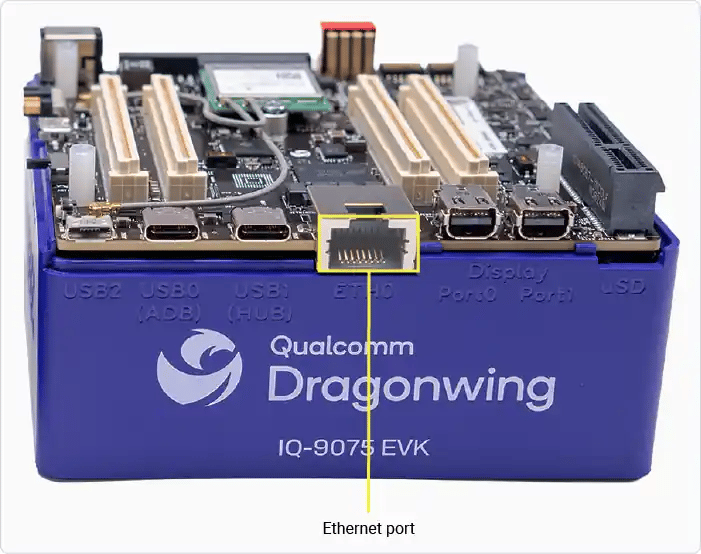 Read the IP address:
```shell theme={null}
ip addr show end0
```
Read the IP address:
```shell theme={null}
ip addr show end0
```
 ## Connect over SSH
SSH gives you a network terminal into the device from your host computer.
Ensure your host computer is on the same network as the device.
1. Find the device IP address (from the network step above):
* Ethernet: `ip addr show end0`
* Wi-Fi: `ip addr show wlp1s0`
2. Connect from the host:
```shell theme={null}
ssh ubuntu@
```
**Example:**
```shell theme={null}
ssh ubuntu@192.168.0.222
```
3. Enter the password when prompted.
## Connect a display
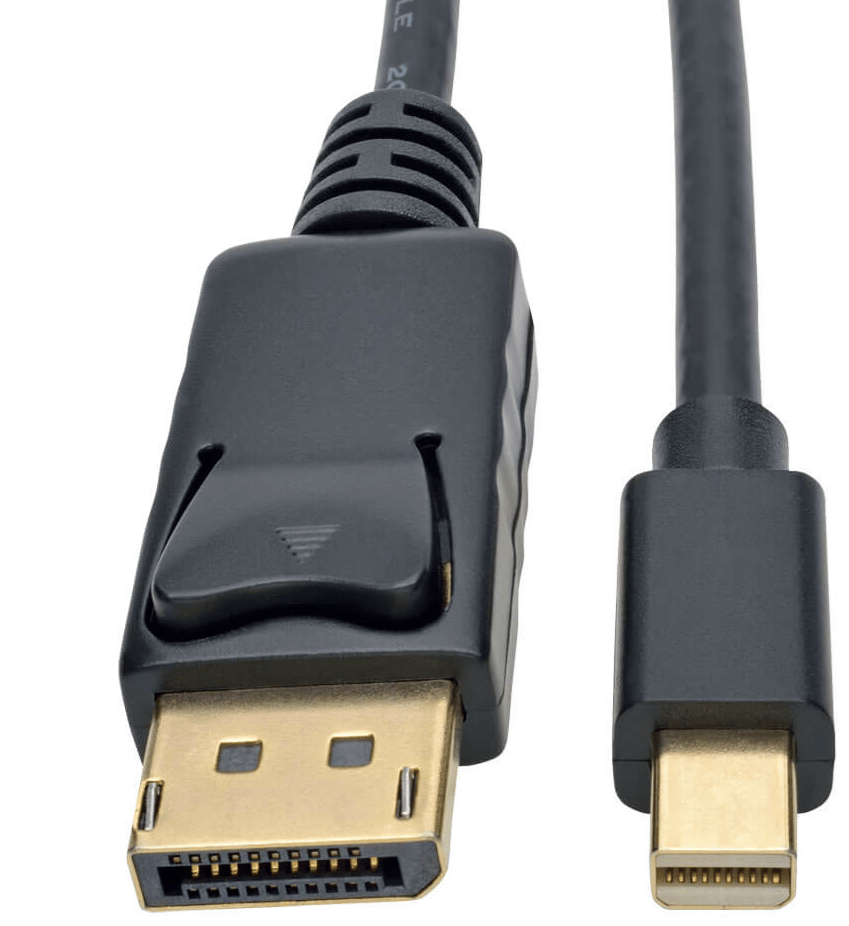
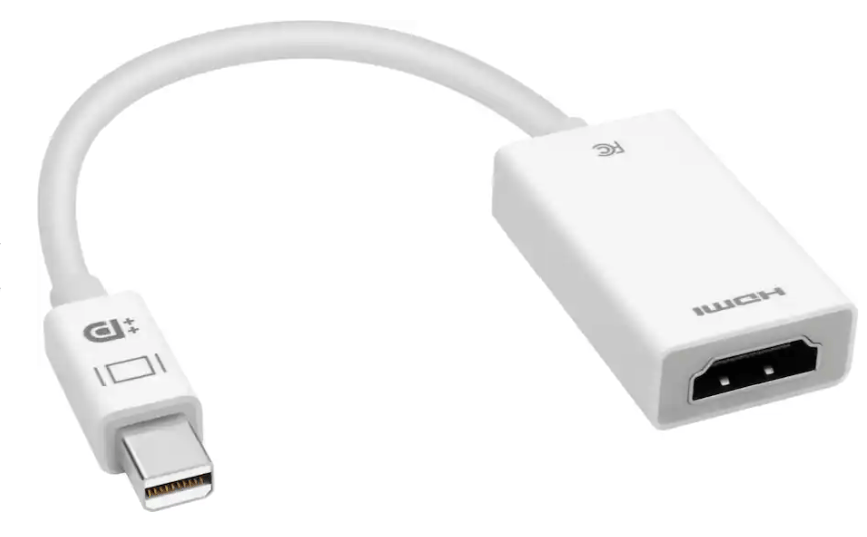
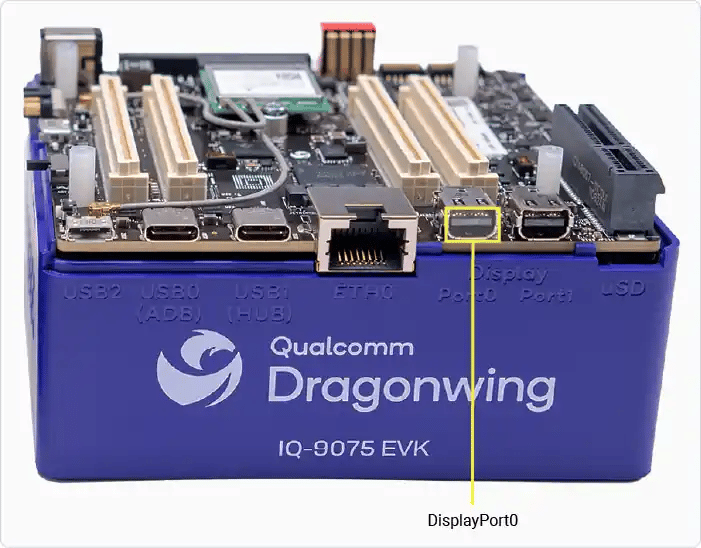
Connect a monitor to **DisplayPort0 (JEDP0)** or **JEDP1** on the EVK using an **active** Mini DisplayPort-to-DisplayPort cable (included in the box), or an **active** Mini DisplayPort-to-HDMI adapter (not included).
## Connect over SSH
SSH gives you a network terminal into the device from your host computer.
Ensure your host computer is on the same network as the device.
1. Find the device IP address (from the network step above):
* Ethernet: `ip addr show end0`
* Wi-Fi: `ip addr show wlp1s0`
2. Connect from the host:
```shell theme={null}
ssh ubuntu@
```
**Example:**
```shell theme={null}
ssh ubuntu@192.168.0.222
```
3. Enter the password when prompted.
## Connect a display
Connect a monitor to **DisplayPort0 (JEDP0)** or **JEDP1** on the EVK using an **active** Mini DisplayPort-to-DisplayPort cable (included in the box), or an **active** Mini DisplayPort-to-HDMI adapter (not included).
 The following figure shows the location of DisplayPort0 on the device:
 Power up the device and verify the display. You should see either:
**Server:**
Power up the device and verify the display. You should see either:
**Server:**
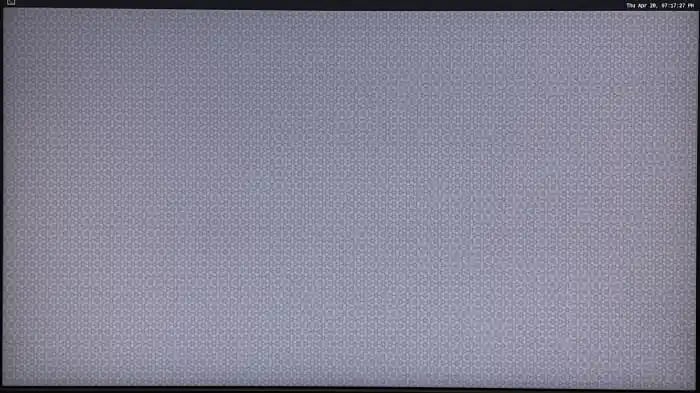 **Desktop:**
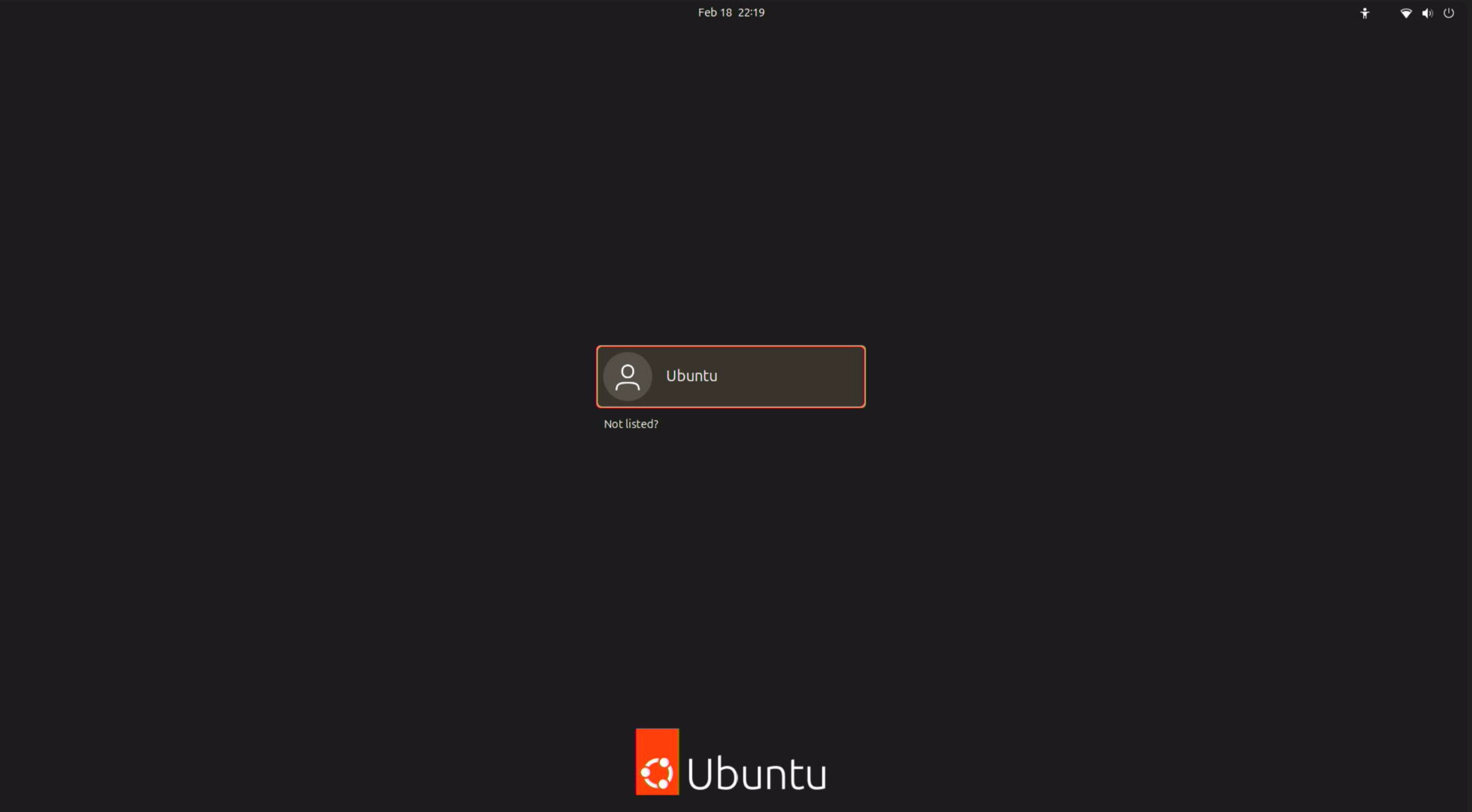 Connect the display **before** you power on the device. If you attach or change the display after the device has booted and the screen stays blank, power-cycle the device to bring the display up.
## SBC (Single Board Computer) mode
To use the EVK as a standalone computer with a keyboard, mouse, and monitor:
Connect the display **before** you power on the device. If you attach or change the display after the device has booted and the screen stays blank, power-cycle the device to bring the display up.
## SBC (Single Board Computer) mode
To use the EVK as a standalone computer with a keyboard, mouse, and monitor:
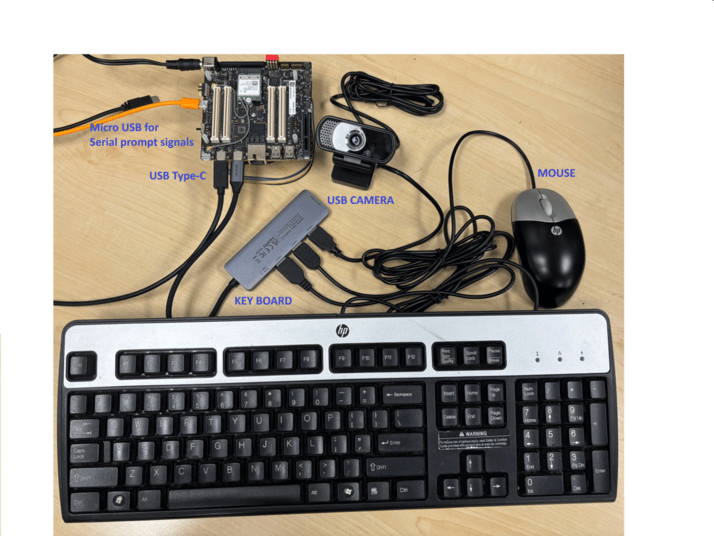 * **Power:** connect the 12 V adapter.
* **Serial console:** micro-USB to your host for UART logs (optional once set up).
* **USB hub:** connect a powered USB hub to a USB Type-C port for multiple peripherals.
* **Keyboard & mouse:** plug into the USB hub.
* **USB camera:** connect to the USB hub (must be UVC-compliant).
* **MIPI camera:** attach to a MIPI CSI connector on the board.
* **Display:** Mini DisplayPort to DisplayPort cable, or an active Mini DisplayPort-to-HDMI adapter.
## Next steps
* [Explore peripherals and interfaces](./peripherals-interfaces/peripheral_interface_overview)
* **Power:** connect the 12 V adapter.
* **Serial console:** micro-USB to your host for UART logs (optional once set up).
* **USB hub:** connect a powered USB hub to a USB Type-C port for multiple peripherals.
* **Keyboard & mouse:** plug into the USB hub.
* **USB camera:** connect to the USB hub (must be UVC-compliant).
* **MIPI camera:** attach to a MIPI CSI connector on the board.
* **Display:** Mini DisplayPort to DisplayPort cable, or an active Mini DisplayPort-to-HDMI adapter.
## Next steps
* [Explore peripherals and interfaces](./peripherals-interfaces/peripheral_interface_overview)